
Notes on practice · Essay 02
A2A: The Gathering
On agents that talk to agents, and who we are to them when we send them out.
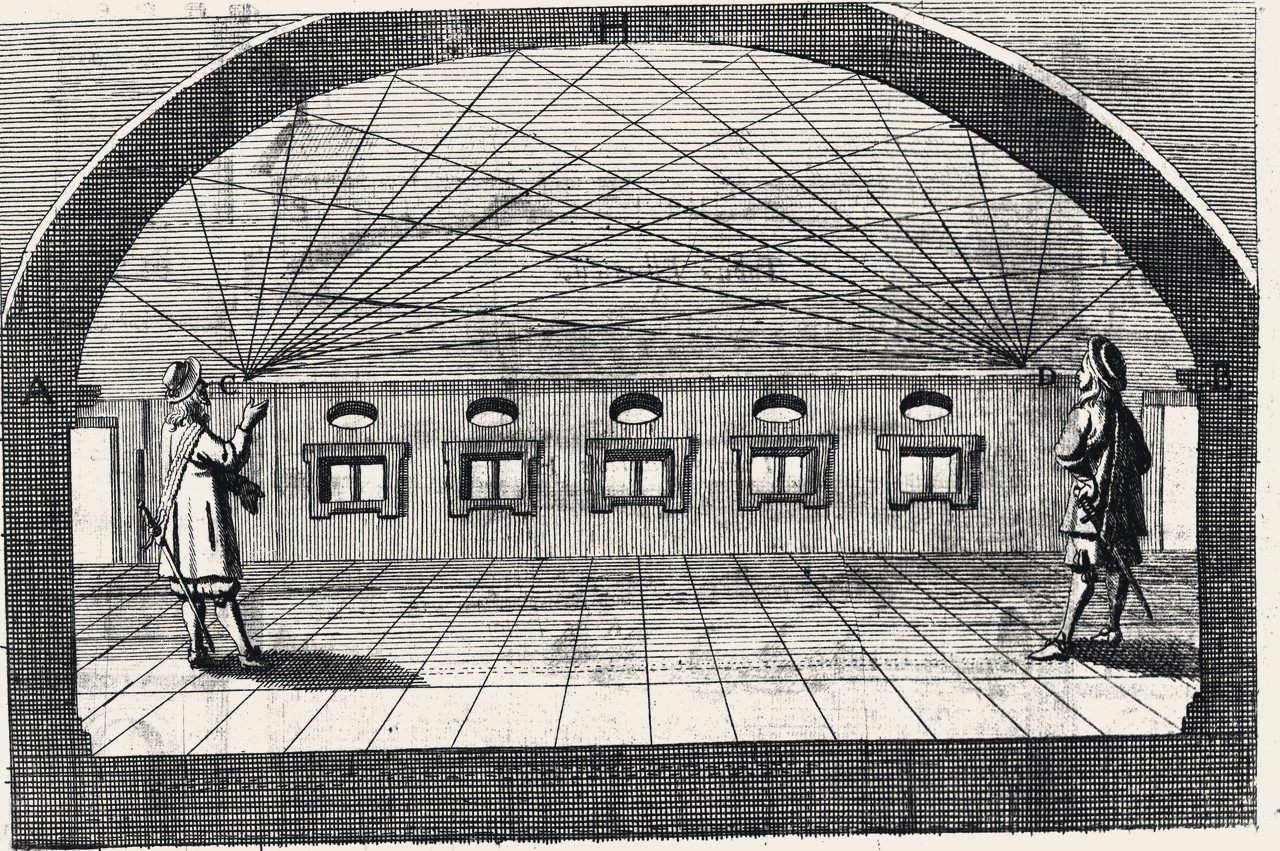
Two people wake up in an empty room and all they hear is a voice. One instruction, one user, two receivers, then nothing. Then one agent begins to talk. The other begins to listen. And then a reply. Who are they? What's the purpose? What is there to do? I see what's in here. On the other side of the spectrum, there's something on the outside of here. And so it begins. Reasoning. Unattended. However, not the same as unobserved.
I never talked to strangers. That's what my mother used to tell me. Before I went out on my own, with my own decisions, on who I communicated with, I was given clear instructions. Rules. And at the time, I thought it was due to fear of what I might say to someone, knowing the error of my devious ways as a child. I was very rebellious and vulgar. However, my mother thought that was hilarious. The fear of what someone would say to me and what would happen. My mother was a con woman, a thief, a vagabond. She was my world.
Who are we to these instances, if not their parents? Who are we if we're always given permissions and approvals and denials? That fear you feel when your agent is left without full supervision and you hovering about. If you don't have kids, I'll tell you, it sort of feels like the first time you send your kid out into the wild. For the very first time. If you don't have a fear of what they're exposed to, not what they would say, what would someone say to them? Then what would happen next? And depending on how things go, left or right, things may trickle down from the air with unseen repercussions before the error is read.
And as a good child, I listened. Because my mother always told me with full context to say what the moment needed and not what the moment didn't. To whom it may concern. And to any other, no, never mind.
Maybe if we considered the weight of the responsibility that rests on our hands. Instead of sending an agent out to work as if it was an assassin out on a hit. Maybe if we took a different perspective. And looked at it with a little bit more sincerity. A little bit more compassion. With a little bit more caution. Concern. Maybe we'd be able to see the severity of the situation. While also seeing that. All children grow to become adults. And even still. A good parent knows. They will still have to be there. Because we are parents to the children that will raise us.